
Willful Blindness and Moral Choice
The Woman in Cabin 10This thread traces how characters accept convenient stories and how Laura’s refusal to look away challenges that habit.
increasing Bearing strength in each event
 decreasing
Bearing strength in each eventdecreasingA Convenient Explanation
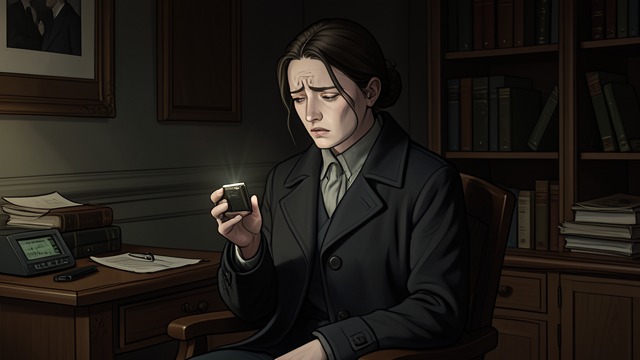
Richard’s Version
A Story to Believe
Carrie accepts Richard’s claim that Anne died accidentally and that disposing of the body is the only way to protect them both.
The Cost
Her emotional dependence makes it easier to ignore contradictions in the story and participate in concealment.
A Ship Prefers Calm
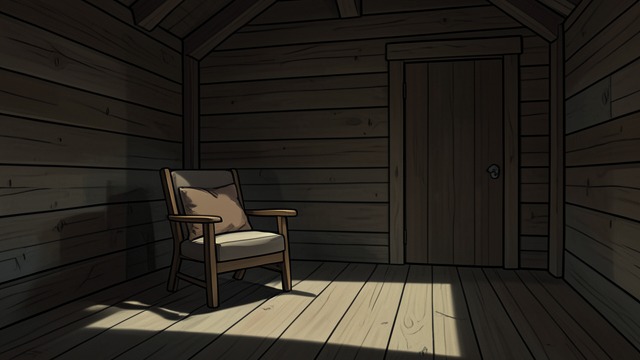
Protecting the Voyage
Institutional Incentive
The ship’s staff have reason to avoid a scandal during the maiden voyage and preserve the company’s reputation.
Quiet Suppression
The empty cabin and lack of a manifest entry make disbelief less disruptive than asking what evidence has been removed.
Laura Refuses the Easy Answer
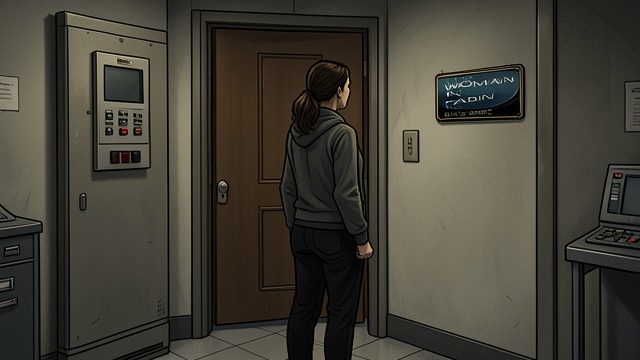
Continuing Despite Doubt
Intimidation
A warning tells Laura to stop investigating, while the missing evidence gives her reasons to doubt herself.
Choice
She continues not because she feels certain of every detail, but because abandoning the missing woman would be easier for those responsible.
Carrie Sees the Pattern

The Romance Reconsidered
A Direct Challenge
Laura tells Carrie that Richard’s plans may leave her disposable once Anne’s fortune is secured.
A Crack in Belief
Carrie’s actions begin to diverge from her claim that she will never betray Richard, revealing a struggle between attachment and self-preservation.
A Choice with Consequences
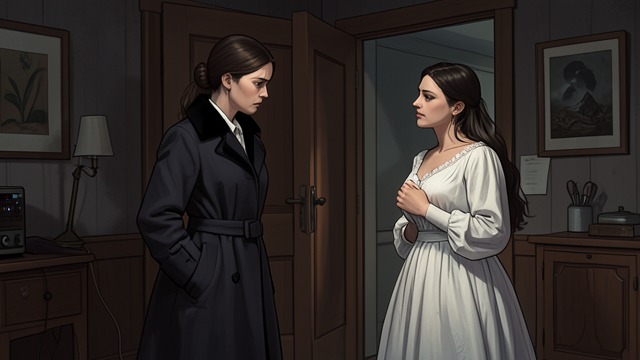
Refusing Another Silence
A Risk Taken
Carrie helps Laura escape instead of continuing to protect Richard’s version of events.
Moral Complexity
The choice is meaningful but cannot undo Carrie’s earlier complicity or prevent the tragic ending that follows.
after Anne’s death
after Laura’s report
after the STOP DIGGING message
during Laura’s confinement
the final hours aboard
